SaaS platform development
Multi-tenant SaaS platforms designed for scale, integration and reporting — taken from MVP definition through to production and the iteration that follows.
In plain terms: we build the online product itself — the thing your customers log into and pay for every month.
What we build
We have taken multiple SaaS products from concept to production, including BooksIQ, GetHookd.ai and PullSight.ai. SaaS work carries specific architectural demands — tenant isolation, subscription and billing logic, usage metering, role and permission models — and we design for them from the start rather than retrofitting.
- Multi-tenant architecture with proper tenant isolation
- Subscription, billing and plan management
- Role-based access control and permission models
- Usage metering, quotas and analytics
- Admin and customer-facing dashboards
- Public APIs, webhooks and integration surfaces
- Self-hosted and cloud deployment options
From MVP to scale
An MVP that cannot become a product is wasted work. We scope the first release tightly to prove the core value, but architect so the second and third releases do not require a rewrite. Once live, we refine through usage data, reduce failure points and expand across modules and markets.
- Tight first-release scope with explicit assumptions
- Architecture that anticipates the next two releases
- Cloud-native and serverless deployment on AWS, GCP or Azure
- Event-driven processing, job queues and workers
- Observability and failure-point reduction after launch
AI-native SaaS
Several of our SaaS platforms are AI-native rather than AI-enhanced. GetHookd.ai generates advertising creative and exposes an MCP agent endpoint; PullSight.ai performs code review; BooksIQ embeds AI in accounting workflows. We build LLM features that hold up under production load and cost constraints.
Platforms we have delivered
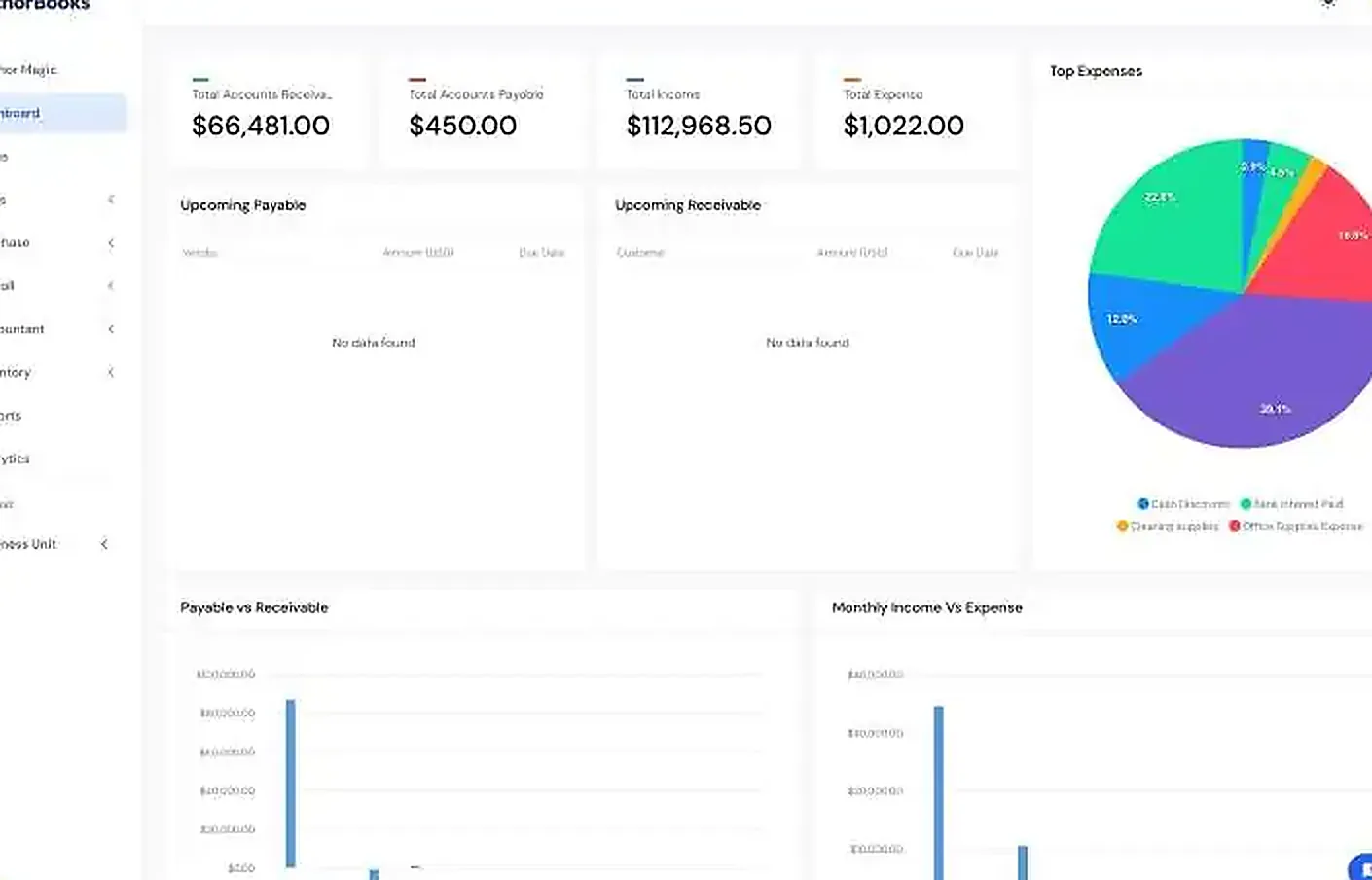
BooksIQ
SaaS / AI / ERPAn accounting-grade ERP built alongside a chartered accountancy firm. Sales, purchases, payroll, accounting, inventory and reporting, all reading from one set of books.
View project →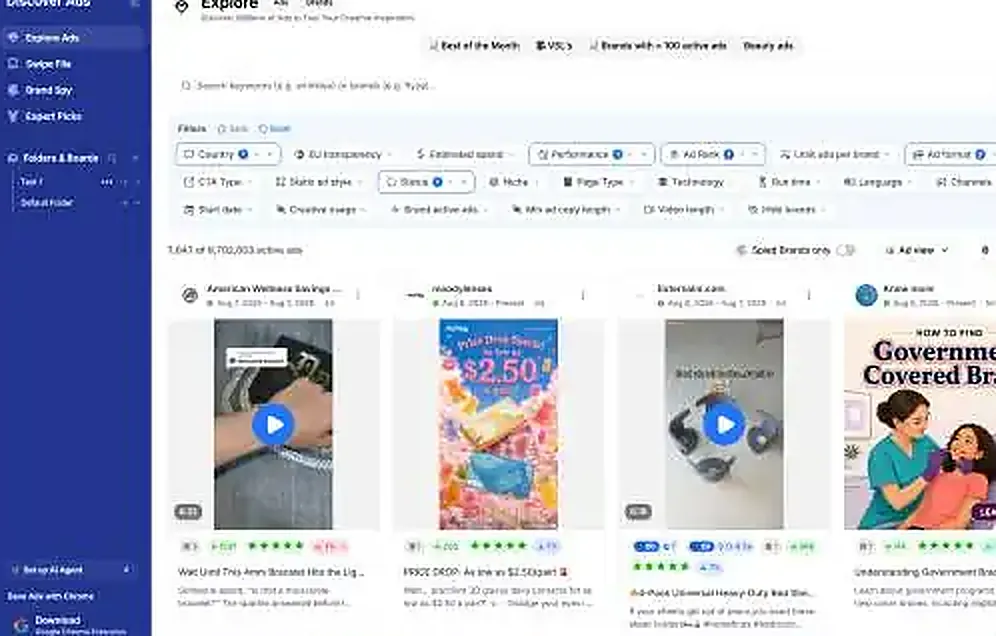
GetHookd.ai
SaaS / AIAn AI-powered intelligence platform with a Chrome extension, designed to streamline ad creation and improve advertising performance through AI-generated imagery and scripts.
View project →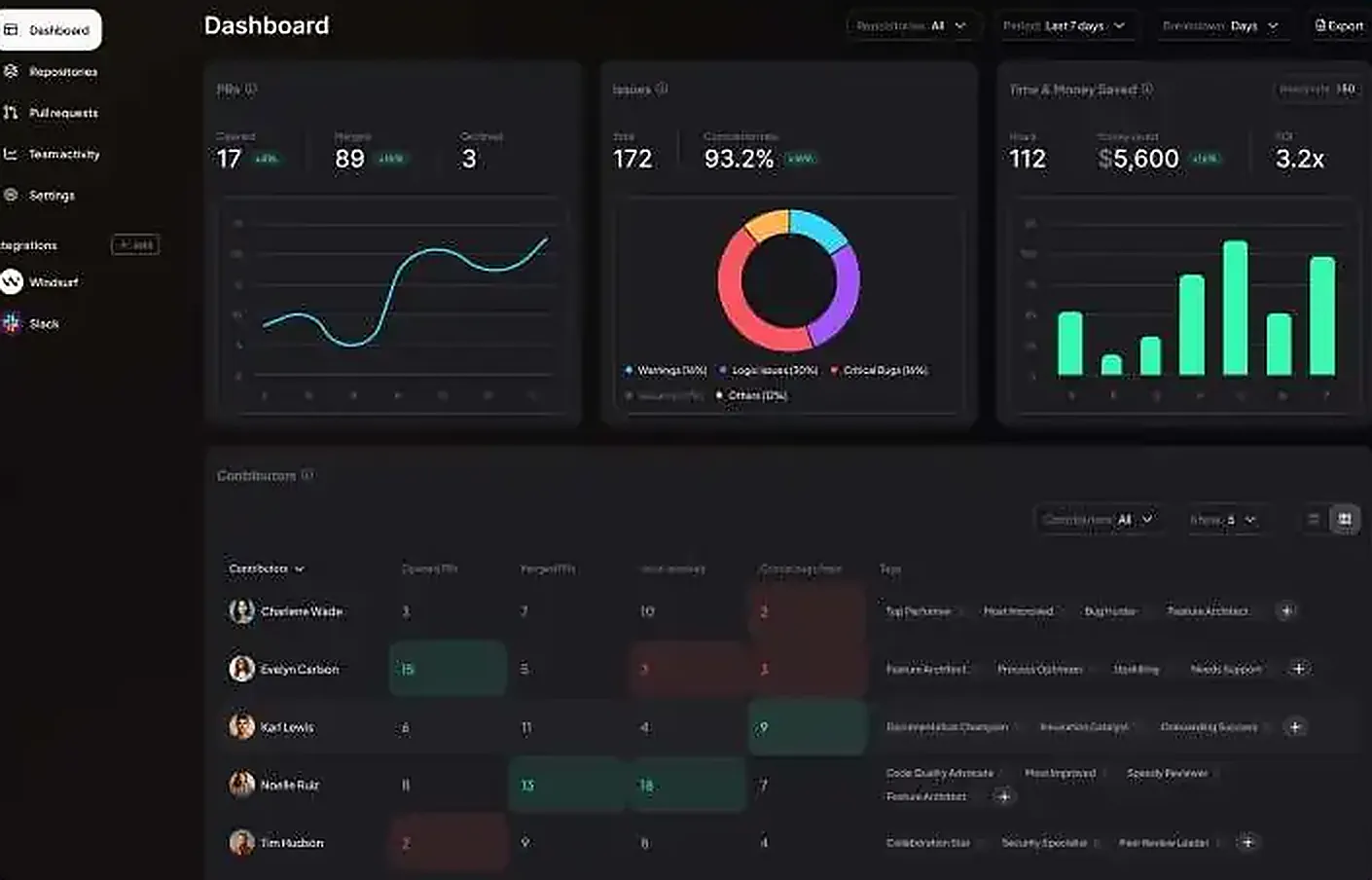
PullSight.ai
SaaS / AIAn open-source, self-hostable AI code review platform that integrates with GitHub, GitLab and Bitbucket, catching bugs and security issues inside existing workflows.
View project →Questions about saas platforms
How long does a SaaS MVP take?
A defined-scope MVP or platform build typically runs six to twelve or more weeks. The variable is integration count and how much of the domain logic is genuinely novel. A Discovery Sprint first establishes the scope and a rough-order cost.
Do you handle subscription billing?
Yes. We build plan management, subscription lifecycle, usage metering and billing integration with gateways including Stripe and PayPal, plus regional and cryptocurrency options where relevant.
Can the platform be self-hosted?
Yes, where the product calls for it. PullSight.ai is open-source and self-hostable specifically because engineering teams often cannot send source code to a third-party service. We design deployment models around the constraint rather than assuming cloud.
Do you provide ongoing development after launch?
Yes. The Tech and Product Partnership model provides a standing engineering team for continuous development, maintenance and iteration once a platform is live.
Let's talk about what you're building
Tell us the problem in your own words. We'll tell you honestly whether we're the right people for it, and what a sensible first step looks like.